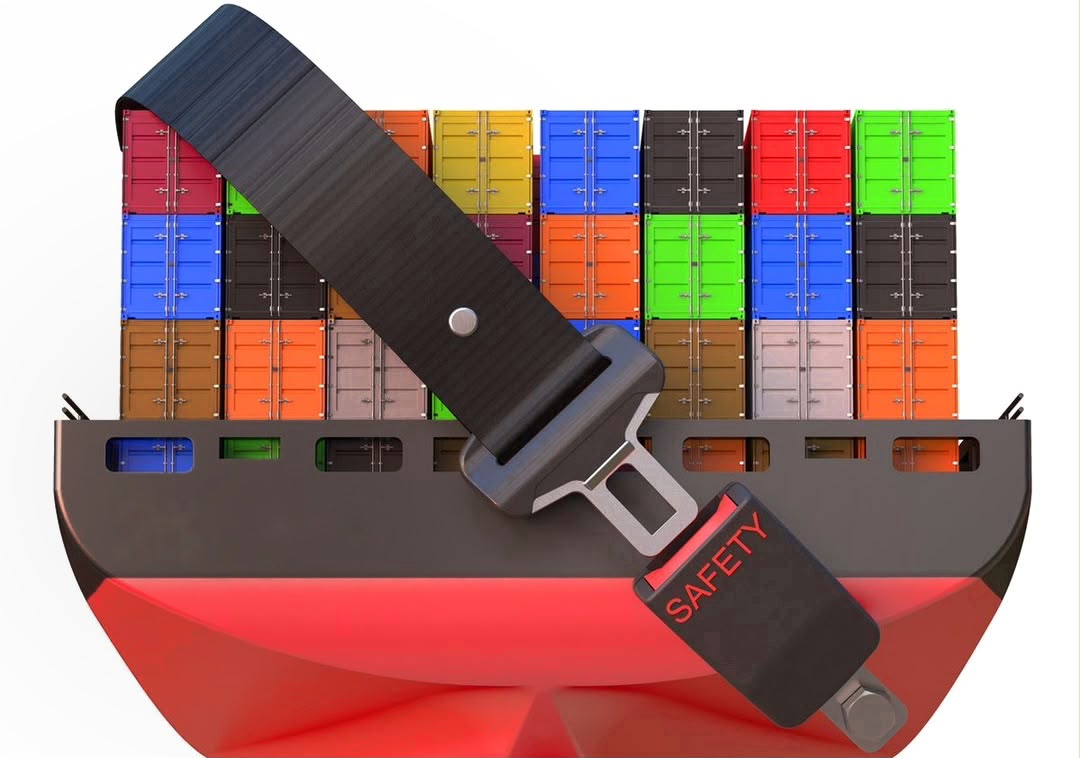
In today’s world, international trade would be nearly impossible without efficient transportation systems. Every day, millions of tons of goods are transported between countries, requiring solutions that can deliver cargo quickly, securely, and cost-effectively. One of the most significant innovations that has transformed the logistics and transportation industry is the shipping container.
Today, a substantial portion of the world’s imports and exports is transported in containers, and many ports, shipping lines, and logistics companies have built their operations around containerized transportation. Thanks to their standardized design and compatibility with sea, road, and rail transport, containers play a vital role in the global supply chain. From consumer goods and food products to heavy machinery and chemicals, a wide variety of cargo is shipped using different types of containers. Furthermore, internationally recognized container standards ensure that these units can be used seamlessly across the globe.
In this article, we will explore why containers are used in transportation, the benefits they provide to cargo owners and customers, and the most important international container standards.
What Is a Shipping Container?
A shipping container is a durable, standardized metal enclosure designed for the transportation and storage of goods across various modes of transport. Most containers are manufactured from high-strength steel, enabling them to protect cargo against harsh weather conditions and physical impacts during transit.
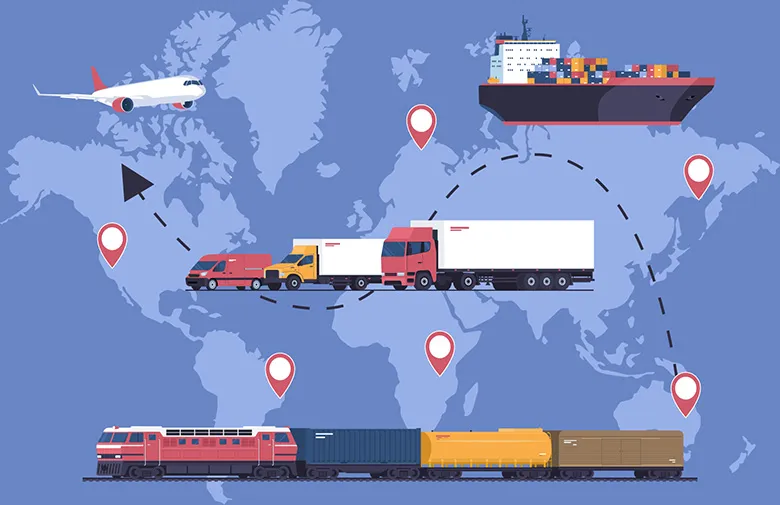
The defining feature of a container is its standardized dimensions and structure. This allows the same container to be transferred directly from a truck to a train or from a train to a ship without unloading its contents. This capability, known as intermodal transportation, is one of the primary reasons behind the global success of containerized shipping.
Containers are manufactured in various sizes and configurations, each designed to accommodate specific types of cargo. Some are intended for general freight, while others are specially designed for food products, oversized cargo, hazardous materials, or temperature-sensitive goods.
The History of Container Transportation
Although containers are now an integral part of global trade, containerized transportation did not exist until the mid-20th century. Before then, cargo was handled as individual packages, making loading and unloading labor-intensive processes that could take several days or even weeks.
The major breakthrough came during the 1950s, when the concept of using standardized cargo boxes was introduced. The primary objectives were to reduce loading times, improve cargo security, and lower transportation costs.
As global trade expanded, countries rapidly adopted containerized shipping. Over the following decades, international standards governing container dimensions and specifications were established, and ports worldwide upgraded their infrastructure to accommodate container operations.
Today, more than 90% of global seaborne trade is associated with container transportation, making it one of the most influential innovations in the growth of international commerce.
Why Are Containers Used in Transportation?
The widespread adoption of shipping containers is no coincidence. They provide numerous advantages for cargo owners, logistics providers, and customers alike.
Enhanced Cargo Security
One of the most important reasons for using containers is the high level of protection they provide throughout the transportation process. Once cargo is loaded into a container, the doors are securely closed and sealed. In most cases, the seal remains intact until the shipment reaches its final destination.
This significantly reduces the risk of theft, tampering, or loss during transit. Additionally, the robust steel structure protects cargo against impacts, pressure, rain, dust, and other environmental hazards.
For high-value shipments such as electronic equipment, industrial components, medical supplies, and luxury goods, cargo security is a critical factor when selecting a transportation method. Containerization provides greater confidence that shipments will arrive safely and intact.
Lower Transportation Costs
Transportation costs are one of the most significant factors affecting international trade. Lower logistics expenses translate directly into greater profitability for businesses.
Before the widespread adoption of containers, loading and unloading cargo required extensive manual labor, with each shipment handled individually. This process was both time-consuming and expensive.
With containerized transportation, hundreds or even thousands of items can be consolidated into a single standardized unit and moved as one shipment. This reduces labor requirements, shortens operational time, and significantly lowers overall transportation costs.
Furthermore, reduced cargo damage results in lower insurance claims and fewer additional expenses.
Faster Loading and Unloading Operations
One of the greatest advantages of containerization is the dramatic increase in port efficiency. In the past, loading a cargo vessel could take several days. Today, specialized container cranes can load or unload dozens of containers within a short period.
This increased efficiency offers several benefits:
- Reduced vessel turnaround time at ports
- Improved port productivity
- Faster cargo delivery
- Lower operational costs
Support for Intermodal Transportation
One of the unique strengths of shipping containers is their compatibility with multiple transportation modes. A container can be transported from a factory by truck, transferred onto a railway wagon, and finally loaded onto a cargo ship for international delivery—all without unloading the cargo.
This seamless transition not only reduces transportation costs but also minimizes the risk of cargo damage caused by repeated handling.
Intermodal transportation has become one of the foundations of modern supply chain management, and its efficiency largely depends on standardized shipping containers.
Reduced Cargo Damage
Every time cargo is handled directly, the likelihood of damage increases. Repeated loading and unloading can result in breakage, scratches, and other forms of physical damage.
Containerization largely eliminates this issue. Once goods are loaded into a container, they typically remain untouched until reaching their final destination.
This is particularly important for sensitive cargo such as electronic devices, glass products, food items, and pharmaceutical products.
Reducing cargo damage not only enhances customer satisfaction but also lowers insurance costs and compensation claims.
Improved Supply Chain Management
Many modern shipping containers are equipped with tracking technologies that enable cargo owners to monitor their shipments in real time.
This capability provides several operational advantages:
- Greater transportation transparency
- More accurate delivery planning
- Better inventory management
- Reduced risk of delays
In today’s competitive business environment, real-time shipment visibility has become an essential component of efficient supply chain management.
Compatibility with Global Trade
Modern international trade relies heavily on standardization. Because containers share uniform dimensions and specifications, they enable goods to move efficiently between countries.
A standard container can be handled in ports across Asia, Europe, North America, and virtually every other region without modification. This global compatibility has made the shipping container one of the most important drivers of international trade and logistics.
Types of Shipping Containers Used in Transportation
One of the greatest advantages of containerized transportation is the wide variety of containers available for different types of cargo. Every shipment has unique requirements in terms of weight, dimensions, storage conditions, and handling. To meet these diverse needs, container manufacturers have developed specialized container types for various industries and applications.
The most commonly used shipping containers include the following:
Dry Container
The Dry Container, also known as the General Purpose (GP) Container, is the most widely used shipping container in international trade. The majority of cargo transported worldwide is shipped using this standard container.
Dry containers feature fully enclosed steel walls, a fixed roof, and standard cargo doors, providing reliable protection against weather conditions and external damage. Their simple design, durability, and widespread availability have made them the preferred choice for shipping companies around the world.
Typical cargo transported in dry containers includes:
- Clothing and textiles
- Household appliances
- Industrial components
- Packaged goods
- Electronic equipment
- Raw materials for manufacturing
The greatest advantage of dry containers is their affordability and widespread availability at ports and freight terminals across the globe.
Refrigerated Container (Reefer Container)
Certain products require controlled temperatures throughout transportation to maintain their quality. For these shipments, Reefer Containers are the ideal solution.
Reefer containers are equipped with refrigeration systems capable of maintaining a specific internal temperature throughout the journey. Some models can even maintain temperatures well below freezing.
These containers play a critical role in the global food and pharmaceutical supply chains. Without refrigerated containers, transporting perishable products over long distances would be nearly impossible.
Typical cargo includes:
- Meat and protein products
- Fish and seafood
- Fresh fruits and vegetables
- Dairy products
- Pharmaceuticals and vaccines
- Flowers and plants
Because even minor temperature fluctuations can compromise product quality, reefer containers are manufactured and maintained under strict international standards.
Open Top Container
Some cargo cannot be loaded through standard container doors due to its dimensions or loading requirements. In such cases, Open Top Containers provide the ideal solution.
Instead of a solid steel roof, these containers are fitted with a removable heavy-duty tarpaulin cover, allowing cargo to be loaded from above using cranes.
Open Top containers are commonly used for transporting:
- Industrial machinery
- Construction equipment
- Large steel components
- Factory equipment
- Project cargo
Their flexible loading capabilities make them particularly valuable for industrial and construction projects.
Flat Rack Container
Flat Rack Containers are specifically designed for transporting extremely heavy or oversized cargo.
These containers feature a reinforced floor and fixed end walls while typically lacking side walls, allowing cargo that exceeds the dimensions of standard containers to be transported safely.
Common applications include:
- Industrial turbines
- Power plant equipment
- Road construction machinery
- Cranes
- Heavy steel structures
Flat Rack containers are widely used in project logistics and heavy industries due to their exceptional versatility.
Tank Container
Tank Containers are designed for transporting liquids, gases, and hazardous chemicals.
Each unit consists of a highly durable stainless-steel tank securely mounted within a standardized container frame. Their specialized design enables liquids to be transported safely while complying with international safety regulations.
Typical cargo includes:
- Fuel
- Industrial oils
- Chemicals
- Acids
- Liquid food products
- Beverages
Their high level of safety and compatibility with international transportation systems make tank containers indispensable for liquid cargo logistics.
What Are Container Standards?
As international trade expanded, it became essential to establish uniform standards for shipping containers. If every country or shipping company had adopted different container sizes and specifications, transporting cargo internationally would have been highly inefficient.
To address this challenge, the International Organization for Standardization (ISO) developed globally recognized standards governing the design, construction, and operation of shipping containers.
These standards define:
- Container dimensions
- Payload capacity
- Structural strength
- Locking and securing systems
- Identification and coding
- Safety requirements
Standardization enables ports, vessels, trucks, rail systems, and cargo-handling equipment around the world to work seamlessly with containers.
ISO 668 Standard
ISO 668 is one of the most important standards in container transportation. It establishes the external dimensions and principal specifications of shipping containers to ensure worldwide compatibility.
Key benefits of ISO 668 include:
- Compatibility with ports worldwide
- Easier loading and unloading
- Improved transportation safety
- Lower operational costs
- Greater compatibility among transportation equipment
Virtually all modern shipping containers are manufactured according to ISO 668 requirements.
ISO 6346 Standard
Efficient container identification is essential in global logistics. ISO 6346 establishes a universal container identification system used worldwide.
Each shipping container receives a unique identification code consisting of:
- Owner code
- Equipment category identifier
- Serial number
- Check digit
This standardized coding system enables accurate tracking and efficient supply chain management across international transportation networks.
CSC Standard and Container Safety
One of the most important international safety requirements for shipping containers is the CSC (Convention for Safe Containers) standard.
The CSC Convention was introduced to improve container safety in global transportation. According to this standard, containers must:
- Meet structural strength requirements
- Undergo periodic inspections
- Have clearly specified maximum payload limits
- Comply with international safety regulations
Every certified container carries a CSC Safety Approval Plate, which provides essential information regarding its safety certification and inspection history.
Standard Dimensions of a 20-Foot Container
The 20-foot container (20ft Container) is one of the most commonly used containers in international trade due to its excellent balance between carrying capacity and ease of handling.
Typical specifications include:
- External Length: 6.06 m
- External Width: 2.44 m
- External Height: 2.59 m
- Internal Volume: Approximately 33 m³
- Maximum Payload: Approximately 28 metric tons
This container is particularly suitable for transporting relatively heavy cargo with moderate volume.
Standard Dimensions of a 40-Foot Container
The 40-foot container (40ft Container) provides nearly twice the internal volume of a 20-foot container.
Typical specifications include:
- External Length: 12.19 m
- External Width: 2.44 m
- External Height: 2.59 m
- Internal Volume: Approximately 67 m³
It is widely used for transporting lightweight but bulky cargo such as furniture, clothing, and consumer products.
40-Foot High Cube Container
Some shipments require additional cargo space beyond what a standard 40-foot container offers. The 40-foot High Cube (HC) Container was developed to meet this need.
A High Cube container is approximately 30 centimeters taller than a standard container, providing significantly greater internal volume.
Key advantages include:
- Increased loading capacity
- Lower shipping cost per cubic meter
- Ideal for lightweight, high-volume cargo
- More efficient use of cargo space
For these reasons, High Cube containers are widely used by exporters of consumer goods and other volume-intensive products.
Standards for Transporting Dangerous Goods in Containers
Transporting dangerous goods is one of the most sensitive sectors of international logistics. Unlike ordinary cargo, hazardous materials can pose significant risks to people, transportation equipment, port infrastructure, and the environment due to their physical or chemical properties. As a result, international organizations have established strict regulations and standards to ensure their safe handling and transportation.
In global trade, even a minor error in packaging, loading, or storing hazardous materials can result in serious incidents such as fires, explosions, chemical leaks, environmental contamination, and substantial financial losses. Therefore, shipping companies, ocean carriers, exporters, and importers are required to comply with internationally recognized safety regulations.
Containers used for hazardous cargo must meet specific requirements regarding structural strength, ventilation, corrosion resistance, and overall safety. In addition, proper cargo segregation inside the container is essential, as certain substances may react dangerously when stored together.
With the continuous growth of global trade in chemicals, petroleum products, and industrial materials, compliance with hazardous cargo transportation standards has become more important than ever and plays a critical role in ensuring supply chain safety.
Major Categories of Dangerous Goods
International transportation organizations classify dangerous goods into several categories to standardize their handling and transportation procedures.
Explosives
Explosives include materials that may detonate due to impact, pressure, friction, or elevated temperatures. They represent one of the highest-risk categories of hazardous cargo.
Examples include:
- Military ammunition
- Industrial fireworks
- Mining explosives
- Certain specialized chemical compounds
These materials must be transported in approved containers while maintaining safe separation distances from other cargo.
Compressed Gases
Compressed gases are stored under high pressure and may present explosion or leakage hazards if their containers are damaged.
Common examples include:
- Liquefied gases
- Industrial oxygen
- Nitrogen
- Helium
- Medical gases
These products are typically transported using specialized pressure tanks and dedicated tank containers.
Flammable Liquids
Flammable liquids release vapors that can ignite rapidly when exposed to sparks or open flames.
Examples include:
- Gasoline
- Kerosene
- Industrial alcohols
- Chemical solvents
- Paints and thinners
These products should be transported in containers specifically designed to minimize ignition risks and temperature increases.
Toxic and Infectious Substances
Certain materials pose serious health risks through direct contact or inhalation.
Examples include:
- Pesticides
- Industrial toxins
- Laboratory chemicals
- Medical waste
These substances are subject to stringent packaging, labeling, and handling requirements.
Corrosive Materials
Corrosive substances can damage metals, equipment, and even living tissues.
Common examples include:
- Sulfuric acid
- Hydrochloric acid
- Caustic soda
- Various industrial chemicals
Containers used for transporting corrosive materials must offer exceptional resistance to corrosion and chemical damage.
IMDG Code for the Maritime Transport of Dangerous Goods
One of the most important international regulations governing the maritime transport of hazardous cargo is the International Maritime Dangerous Goods (IMDG) Code.
Developed by the International Maritime Organization (IMO), the IMDG Code is implemented by virtually all major ports and shipping lines worldwide. Its primary objective is to establish a common international framework for the classification, packaging, transportation, and storage of dangerous goods.
The IMDG Code specifies:
- Hazard classification
- Approved packaging methods
- Loading requirements
- Segregation of incompatible substances
- Hazard labels and warning marks
- Emergency response procedures
Compliance with the IMDG Code significantly improves transportation safety while helping prevent environmental damage during maritime operations.
Container Markings and Identification
In addition to transporting cargo, shipping containers carry important technical and operational information. Nearly every standard container displays a variety of identification codes, markings, and labels that provide essential details about its specifications and operational status.
Understanding these markings is valuable for cargo owners, logistics managers, freight forwarders, and transportation professionals.
Container Identification Number
Every shipping container is assigned a unique identification number that enables global tracking throughout its journey.
This identification code generally includes:
- Owner code
- Equipment category code
- Serial number
- Check digit
This standardized numbering system makes it possible to monitor a container throughout the entire transportation process while minimizing identification errors.
Weight and Capacity Information
Important weight specifications are displayed on the container doors.
Tare Weight
The weight of the empty container without cargo.
Payload
The maximum weight of cargo that may be safely loaded into the container.
Maximum Gross Weight
The combined weight of both the container and its cargo must never exceed this value.
These specifications play a vital role in preventing overloading and ensuring transportation safety.
CSC Safety Plate
One of the most important markings found on a shipping container is the CSC Safety Approval Plate.
This plate certifies that the container has been inspected and approved for international transportation in accordance with safety regulations.
Typical information displayed includes:
- Year of manufacture
- Country of manufacture
- Technical specifications
- Inspection history
A valid CSC plate is mandatory for containers operating on many international shipping routes.
How to Choose the Right Shipping Container
Selecting the appropriate shipping container is one of the most important decisions in the logistics process. Choosing the wrong container can increase transportation costs, compromise cargo safety, and even result in shipment damage.
The first step is identifying the natur
Evaluate the Type of Cargo
e of the cargo.
For example:
- Food products → Refrigerated Container
- Heavy equipment → Flat Rack Container
- Liquids → Tank Container
- General cargo → Dry Container
Selecting the correct container helps maintain product quality while ensuring safe transportation.
Consider Cargo Dimensions and Volume
Many cargo owners focus only on shipment weight, while cargo volume is equally important.
If cargo occupies a large volume, choosing a 40-foot or High Cube container may be more economical.
Carefully evaluating shipment dimensions before booking a container can significantly reduce transportation costs.
Assess Storage Requirements
Some cargo requires specialized storage conditions, including:
- Temperature control
- Humidity control
- Proper ventilation
- Protection from sunlight
Under these circumstances, selecting a specialized container is essential.
Evaluate Overall Costs
Transportation costs extend beyond freight charges alone.
Additional expenses may include:
- Container type
- Storage and detention fees
- Port charges
- Other logistics-related costs
Although a larger container may involve higher initial expenses, it can ultimately reduce overall transportation costs by minimizing the number of shipments required.
The Future of Container Transportation
The container shipping industry is entering a new era driven by digitalization and smart technologies.
The adoption of the Internet of Things (IoT), Artificial Intelligence (AI), and advanced cargo tracking systems has significantly improved shipment management and operational efficiency.
In the future, smart containers are expected to transmit more detailed information about their internal conditions, allowing many supply chain decisions to be automated.
At the same time, increasing environmental awareness is encouraging shipping companies to invest in fuel-efficient vessels, cleaner energy sources, and green technologies. These developments will help reduce both operating costs and the environmental impact of global transportation.
Conclusion
Shipping containers have become one of the fundamental pillars of modern transportation and international trade. Their standardized design has solved many of the traditional challenges associated with cargo transportation by making logistics faster, safer, and more cost-effective.
Today, specialized containers are available for transporting general cargo, food products, industrial equipment, liquids, and hazardous materials, each designed according to internationally recognized standards. Standards such as ISO and CSC have played a crucial role in harmonizing the global transportation system while enhancing operational safety.
As international trade continues to expand and intelligent logistics technologies become increasingly widespread, containerized transportation is expected to play an even greater role in supporting efficient and sustainable global supply chains.
Frequently Asked Questions (FAQ)
Why are shipping containers important in international transportation?
Shipping containers improve cargo security, reduce transportation costs, accelerate loading and unloading operations, and enhance supply chain management.
What is the most commonly used type of shipping container?
The Dry Container (General Purpose Container) is the most widely used container worldwide and is suitable for transporting most types of general cargo.
What is the difference between a 20-foot and a 40-foot container?
A 40-foot container provides approximately twice the internal volume of a 20-foot container, making it better suited for bulky cargo.
What is the purpose of ISO standards for shipping containers?
ISO standards define the dimensions, capacity, and technical specifications of shipping containers, ensuring worldwide compatibility and interoperability.
What is a CSC certificate?
A CSC certification confirms that a shipping container meets international requirements for structural integrity, safety, and technical compliance.
What types of cargo are transported in refrigerated containers?
Reefer containers are used to transport temperature-sensitive goods such as food products, pharmaceuticals, vaccines, dairy products, fruits, and vegetables.