Under normal circumstances, cargo transportation is already exposed to risks such as delivery delays, physical damage, and unexpected cost increases. However, during political, military, economic, or natural crises, these risks can multiply significantly. Trade routes may be disrupted, ports and highways can become unsafe, regulations may change overnight, fuel and freight costs can rise sharply, and natural disasters may severely affect transportation infrastructure.
In such situations, a shipment may arrive far later than expected or impose substantial unforeseen expenses on cargo owners. This is why risk management in international logistics becomes even more critical during times of uncertainty. Before shipping goods, businesses should not only select the most suitable transportation company and shipping route but also prepare contingency plans for potential disruptions and unexpected scenarios.
What Is Cargo Transportation Risk During a Crisis?
Cargo transportation risk during a crisis refers to any event or condition that can affect the security of a shipment, delivery schedules, or the overall cost of transportation.
For instance, during armed conflicts or political instability, a shipping route may suddenly become unsafe, while major ports, border crossings, or customs facilities may temporarily suspend normal operations. Likewise, economic crises can trigger significant increases in exchange rates, fuel prices, freight charges, and operational expenses.
Natural disasters—including floods, earthquakes, hurricanes, and severe storms—can also disrupt highways, railways, ports, airports, and logistics infrastructure.
In these circumstances, even a minor shipping delay can create a chain reaction of operational challenges. Storage fees, demurrage charges, contractual penalties, cargo deterioration, or even cargo loss may follow.
Therefore, transportation risk is not limited to physical damage to cargo. Any factor capable of disrupting the movement of goods from origin to destination should be considered part of logistics risk.
Understanding these risks allows importers, exporters, manufacturers, and supply chain managers to make better decisions regarding:
- Shipping routes
- Transportation methods
- Freight forwarders
- Logistics providers
- Cargo insurance
- Alternative transportation corridors
More importantly, proactive planning enables businesses to respond quickly when unexpected disruptions occur.
The Most Common Causes of Disruptions in International Logistics
One of the primary causes of disruption in international shipping is military conflict and geopolitical tension, particularly in strategically important regions.
For example, any instability surrounding critical maritime corridors such as the Strait of Hormuz can significantly impact global cargo movement. Since a substantial share of regional and international maritime trade passes through this waterway, even temporary disruptions may have far-reaching consequences for global supply chains.
Under such conditions, shipping companies and logistics providers may be forced to:
- Reroute vessels
- Extend transit times
- Increase operational costs
- Use alternative trade corridors
Besides military conflicts, economic and political factors also play a significant role in creating logistics disruptions.
These include:
- International sanctions
- Changes in customs regulations
- Trade restrictions
- Currency volatility
- Import and export policy changes
Operational challenges may also arise from:
- Port strikes
- Customs delays
- Equipment shortages
- Infrastructure failures
- Rail and road transportation disruptions
Natural disasters remain another major source of uncertainty. Floods, hurricanes, earthquakes, wildfires, and extreme weather conditions can temporarily shut down transportation routes and reduce logistics capacity.
In recent years, cyberattacks have emerged as an additional threat to global logistics. Attacks targeting ports, shipping companies, customs systems, and supply chain software can interrupt cargo operations, delay shipments, and compromise sensitive logistics data.
In reality, international transportation crises rarely stem from a single cause. Instead, they are often the result of multiple political, security, economic, environmental, and technological factors occurring simultaneously.
How to Reduce Shipping Risks Before Cargo Is Dispatched
Effective cargo risk management begins before the shipment leaves its point of origin. Waiting until a disruption occurs is rarely an effective strategy.
The first step is conducting a comprehensive risk assessment of the planned transportation route. This includes evaluating:
- Political stability
- Security conditions
- Port operations
- Border crossings
- Transit corridors
- Weather forecasts
- Regulatory changes
The next critical decision is selecting an experienced freight forwarder or logistics company capable of responding quickly when unexpected situations arise.
Businesses should also prepare alternative transportation options before shipping begins. If the primary route becomes unavailable, having pre-planned alternatives can save valuable time and reduce operational disruptions.
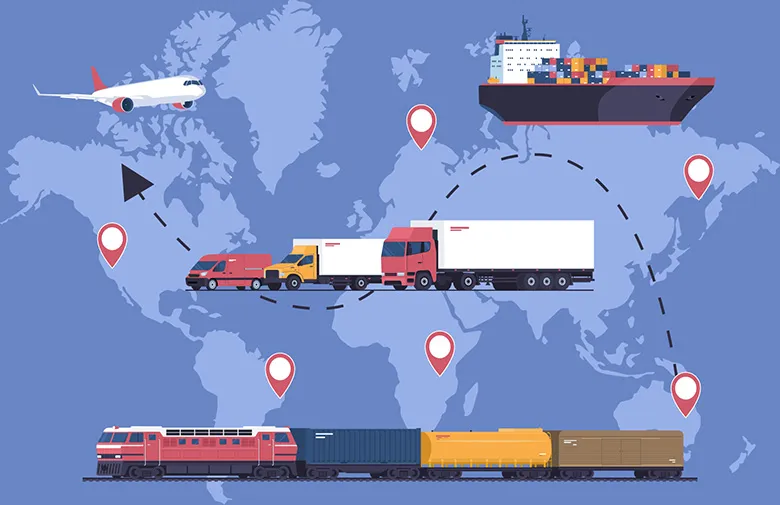
Choosing the appropriate transportation mode is equally important. Whether shipping by sea, air, rail, road, or using multimodal transportation, the decision should be based on:
- Cargo value
- Product type
- Delivery urgency
- Budget
- Route conditions
Additional preventive measures include:
- Purchasing appropriate cargo insurance
- Preparing complete shipping documentation
- Using real-time cargo tracking systems
- Allocating additional time and budget for unexpected delays
Finally, every shipment should have a clearly defined contingency plan. If border closures, security threats, or transportation restrictions occur, businesses with pre-established emergency procedures can react much faster while minimizing financial losses and operational disruptions.
Choosing an Alternative Shipping Route: A Key Strategy for Crisis Management
Imagine a shipment is being transported from China to Iran. Midway through the journey, escalating security tensions or disruptions along a major maritime corridor make it impossible for the vessel to continue on its planned route without significant delays or restrictions.
If the cargo owner has relied solely on the original route, the shipment could remain stranded for an extended period, leading to additional expenses such as warehousing fees, demurrage charges, and contractual penalties.
However, if alternative transportation routes have already been evaluated before the shipment departed, logistics managers can quickly switch to the most practical option based on current conditions. This may include:
- Redirecting the cargo to another destination port
- Continuing the journey via rail or road transportation
- Using a multimodal shipping solution that combines sea, rail, and trucking services
Selecting an alternative route should never be a random decision. Several critical factors must be evaluated, including:
- Cargo type
- Delivery urgency
- Transportation costs
- Border accessibility
- Security conditions
- Customs procedures
For perishable products or time-sensitive cargo, speed often becomes the highest priority. Conversely, for lower-value goods, minimizing transportation costs may take precedence.
Effective crisis management goes beyond identifying a single backup route. Instead, businesses should develop multiple logistics scenarios in advance and determine which transportation options would minimize delivery delays, financial losses, and supply chain disruptions under different circumstances.
How Cargo Insurance Helps Reduce Transportation Risks
Cargo insurance is one of the most effective tools for managing transportation risks. However, not every insurance policy provides the same level of protection.
During periods of political instability or armed conflict, it is especially important to review the insurance policy carefully before shipping goods. Businesses should clearly understand:
- Which risks are covered
- Which exclusions apply
- Whether additional coverage is required
For example, a standard marine cargo insurance policy may compensate for physical damage caused by accidents, rough weather, or handling incidents. However, losses resulting from war, terrorism, civil unrest, piracy, or political violence are often excluded unless special war-risk coverage has been purchased.
Choosing the right insurance policy should therefore depend on several factors, including:
- Cargo value
- Product category
- Transportation method
- Shipping route
- Regional risk level
It is equally important to declare the cargo’s actual commercial value and provide accurate shipment details when purchasing insurance. Incorrect or incomplete information may complicate the claims process or reduce compensation after a loss.
Although cargo insurance cannot prevent transportation disruptions or physical damage, it significantly reduces the financial impact of unforeseen events and provides businesses with greater confidence during uncertain times.
How to Improve Cargo Security During a Crisis?
Protecting cargo during a crisis requires more than selecting a safe transportation route. The shipment itself must also be secured against potential threats throughout the journey.
One of the first and most effective measures is using durable, high-quality packaging that protects goods from impact, moisture, vibration, and rough handling.
For high-value shipments, additional security measures may include:
- Tamper-evident seals
- Security labels
- GPS tracking devices
- IoT cargo monitoring systems
- Electronic container locks
These technologies provide greater visibility throughout the transportation process and enable businesses to respond quickly if irregularities occur.
Another important strategy is minimizing unnecessary storage and transit delays. Whenever possible, cargo should spend the shortest possible time at ports, warehouses, or border crossings.
If temporary storage becomes unavoidable, businesses should use secure, reputable warehouse facilities with appropriate surveillance and access controls.
Maintaining accurate shipment records and digital copies of all transportation documents further strengthens cargo security.
For example, if a truck carrying valuable cargo is forced to remain at a border checkpoint for several days, continuous communication with the freight forwarder combined with real-time shipment tracking allows cargo owners to monitor conditions and make informed decisions immediately if problems arise.
Ultimately, combining secure packaging, continuous monitoring, reliable storage facilities, and advanced tracking technologies can significantly reduce the risks of theft, damage, or cargo loss during periods of instability.
Managing Shipping Documents During a Crisis
Accurate and complete shipping documentation can be just as important as selecting the right transportation route. Even a minor error or missing document may cause cargo to be held at customs or border checkpoints, resulting in costly delays and additional logistics expenses.
Before dispatching any shipment, businesses should carefully prepare and verify all required documentation, including:
- Commercial Invoice
- Packing List
- Bill of Lading (B/L)
- Certificate of Origin
- Import or Export Licenses
- Cargo Insurance Certificate
- Customs Documentation
In crisis situations, access to physical paperwork may become difficult. For this reason, maintaining secure digital copies and cloud-based backups of all shipping documents is strongly recommended.
For example, if a shipment must be rerouted through an alternative border crossing, immediate access to complete and accurate documentation can significantly speed up customs clearance and prevent unnecessary delays.
Consistency is equally important. The information contained in shipping documents should precisely match the actual cargo specifications. Any discrepancies in product descriptions, quantities, weights, or declared values may trigger additional customs inspections or create legal complications.
Successful document management also depends on continuous coordination between all parties involved, including:
- Cargo owners
- Freight forwarders
- Shipping companies
- Customs brokers
- Logistics providers
- Insurance companies
Maintaining clear communication ensures that any regulatory changes or documentation updates can be addressed quickly before they disrupt the shipment.
What Should You Do If the Main Shipping Route Becomes Unsafe?
If the primary transportation route suddenly becomes unsafe, the first priority is to remain calm and carefully assess the situation rather than making rushed decisions.
The cargo owner should immediately communicate with the freight forwarder, shipping company, or logistics provider to obtain real-time information about the shipment’s location and the evolving conditions.
Depending on the circumstances, the most appropriate solution may include:
- Temporarily holding the cargo
- Redirecting the shipment to another port
- Using an alternative transportation corridor
- Moving the cargo to a secure warehouse
- Switching to another mode of transportation
For example, if a vessel encounters escalating security threats while passing through a strategic maritime corridor, continuing along the original route may no longer be the safest option. Diverting the vessel to another port or selecting an alternative shipping lane may significantly reduce operational risks.
However, every decision should consider several important factors:
- Cargo value
- Product sensitivity
- Delivery deadlines
- Insurance coverage
- Transportation costs
- Regional security conditions
Timely communication with customers, suppliers, and all stakeholders within the supply chain is equally important. Everyone involved should be informed about changing circumstances and revised delivery schedules.
If rerouting the shipment increases transportation costs or extends delivery times, these impacts should be evaluated and managed as early as possible to avoid further financial losses.
Ultimately, the primary objective is to protect the cargo while implementing the fastest, safest, and most cost-effective solution available.
Reducing cargo transportation risks during times of crisis is not achieved through a single action. Instead, it requires a comprehensive risk management strategy supported by careful planning before the shipment even begins.
Evaluating transportation routes, identifying potential threats, selecting experienced logistics providers, planning alternative shipping options, purchasing appropriate cargo insurance, preparing accurate shipping documentation, and protecting cargo security all contribute to reducing operational risks and minimizing financial losses.
Continuous shipment tracking and regular communication with freight forwarders also enable businesses to respond quickly whenever circumstances change, preventing unnecessary delays and costly disruptions.
While no strategy can eliminate transportation risks entirely, organizations that prepare contingency plans in advance are far better equipped to respond effectively during emergencies.
By anticipating different scenarios before shipping begins, importers, exporters, manufacturers, and logistics professionals can maintain greater control over delivery schedules, transportation costs, and cargo security—even when global supply chains are disrupted by war, political instability, economic crises, or natural disasters.
Frequently Asked Questions (FAQ)
-
How can I reduce cargo transportation risks during a war?
You can minimize transportation risks by continuously monitoring security conditions, working with an experienced logistics provider, preparing alternative shipping routes, purchasing appropriate cargo insurance, and tracking your shipment throughout its journey.
-
Which transportation method is best during a crisis?
The most suitable transportation method depends on the type of cargo, destination, delivery urgency, and current route conditions. In some cases, air freight offers the fastest solution, while road, rail, sea, or multimodal transportation may provide a more practical and cost-effective alternative.
-
Does cargo insurance cover war-related losses?
Not always. Standard cargo insurance policies often exclude losses resulting from war, terrorism, civil unrest, or political violence. Businesses should carefully review policy exclusions and consider purchasing additional war-risk coverage when necessary.
-
What happens if a shipping route is closed?
Depending on the circumstances, the shipment may be temporarily stored, redirected through an alternative route, or transferred to another mode of transportation. Your freight forwarder or logistics provider can recommend the most appropriate solution based on the current situation.
-
Can a shipment be rerouted while in transit?
Yes, in many cases it is possible. However, rerouting depends on the shipment’s location, transportation method, contractual agreements, carrier capabilities, and regulations in the countries involved. Changing the route may increase both transit time and shipping costs.
-
How can businesses minimize shipping delays during a crisis?
Although delays cannot always be avoided, businesses can significantly reduce their impact by monitoring transportation conditions, building additional transit time into their schedules, preparing alternative routes, and maintaining continuous communication with their logistics partners.
-
What is the role of a freight forwarder in transportation risk management?
An experienced freight forwarder helps reduce logistics risks by selecting the most suitable shipping methods, monitoring transportation routes, coordinating with carriers, managing documentation, and providing alternative solutions whenever unexpected disruptions occur.
-
What documents are required for shipping goods during a crisis?
The required documents vary depending on the cargo and destination, but they typically include a Commercial Invoice, Packing List, Bill of Lading, Certificate of Origin, customs permits, and a Cargo Insurance Certificate. Accurate and complete documentation helps prevent unnecessary delays during customs clearance and border inspections.